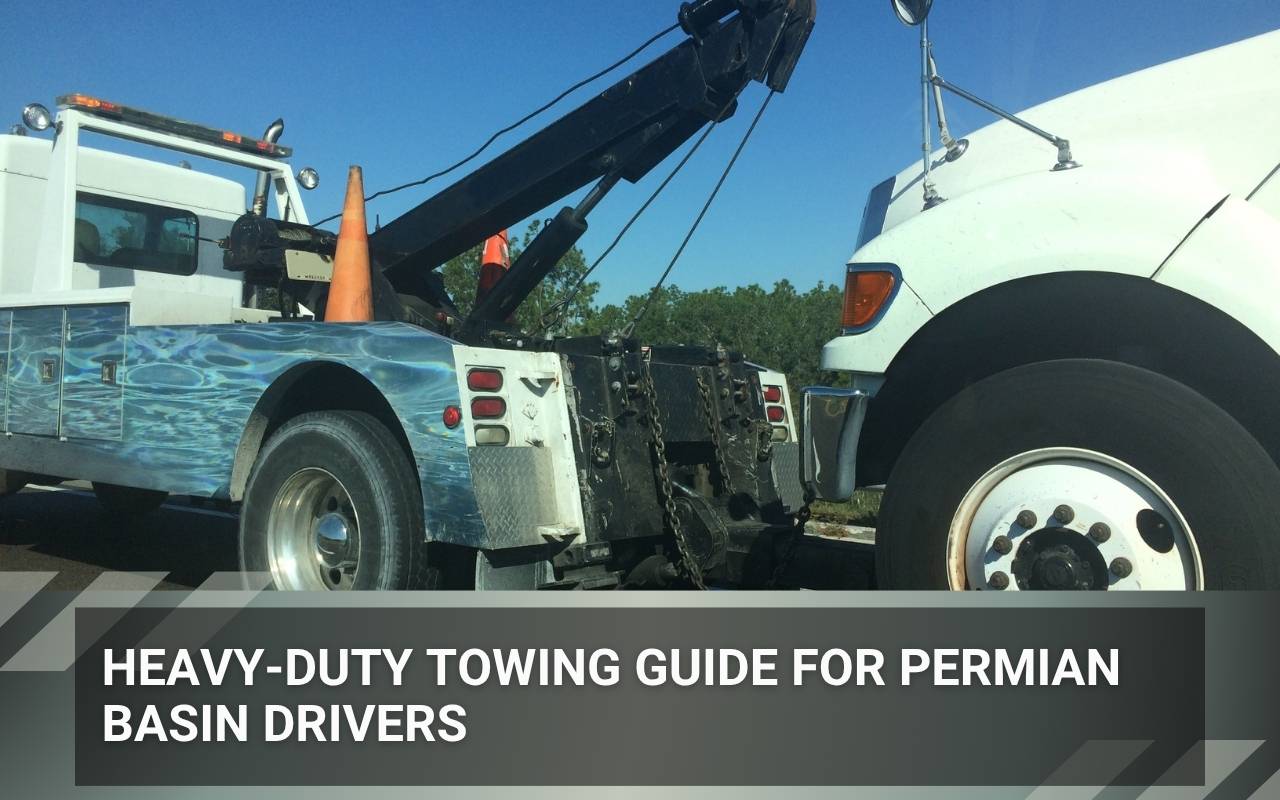
Heavy-Duty Towing Guide for Permian Basin Drivers
Heavy-duty towing in the Permian Basin demands preparation, reliable equipment, and a clear understanding of local terrain. From soft-lease roads to long, isolated highways, every mile tests your rig. This guide gives drivers practical steps for safer towing, smarter planning, and faster recovery so you can stay productive, protect your load, and navigate challenging conditions with confidence.
Understanding Heavy-Duty Towing in the Permian Basin
Remote highways and rough lease roads test every rig. Heat, wind, and distance turn small issues into big delays. Local rules and long hauls add pressure. Know the terrain and plan ahead.
This Heavy-Duty Towing Guide for Permian Basin Drivers explains weight balance, soft-sand traction, and semi recovery steps. A simple plan cuts downtime and keeps loads safe and legal.
Essential Tools and Equipment for Heavy-Duty Towing
Good gear saves time and stress. Choose rated hardware and inspect it often. Replace worn parts before your next run.
Rated hitch, heavy safety chains, and quality straps
Strong winch, shackles, snatch block, and wheel chocks
Lug wrench set and torque wrench
Spare belts, hoses, fuses, and bulbs
Reflective triangles or flares for roadside alerts
Preparing Your Vehicle for a Heavy Tow
Walk the rig before hookup. Check tires, lights, and brakes. Inspect the hitch and coupler for cracks or loose parts. Fix leaks now.
Verify tire pressure and tread depth
Test lights, signals, and trailer plug
Lock hitch and safety pin; confirm coupler fit
Top off oil, coolant, and transmission fluid
Do a short, low-speed test drive
Safety First: Tips for Secure Towing in the Permian Basin
Set up right and drive smooth. Slow down on curves and gravel. Watch wind and sudden storms.
Use sway control and weight distribution when needed
Plan fuel stops, rest areas, and bridge clearances
Keep radios and phones charged for check-ins
Monitor forecasts and avoid flooded caliche roads
Knowing When to Call for Professional Assistance
Stop and call a pro if brakes fail, the hitch is damaged, or the trailer is buried. DIY recovery can worsen damage and risk injury.
For a jackknife or stuck oilfield load, follow “Oilfield tow: when to call.” Reach a specialist via towing services or contact our team. This Heavy-Duty Towing Guide for Permian Basin Drivers supports smart, timely choices.
Oilfield Towing Considerations and Best Practices
Sites add rules, permits, and soft ground. Confirm access and weight limits before moving equipment.
Carry ground mats or skids for traction
Use high-capacity winches and long lines
Assign a clear spotter for tight turns
Check private-land permissions and any oversize permits
RV Towing: Ensuring a Smooth and Safe Journey
Match tow rating to loaded RV weight. Secure the interior and verify brake controller settings. Use sway control for stability.
When you Prep an RV for heavy tow, inspect suspension parts and test lights. Pack rated spare tires and extra chocks. This Heavy-Duty Towing Guide for Permian Basin Drivers helps new RV owners avoid surprises.
Maintaining Compliance: CDL Roadside Checklist
Compliance avoids fines and stress. Keep documents current and inspect before each trip. Use a simple CDL roadside checklist daily.
Tires, brakes, lights, and reflectors
Coupling hardware and secure cargo
Logs, hours-of-service, and medical card
Fire extinguisher and reflective triangles accessible
Handling Emergencies and Unexpected Situations
Carry a basic kit and a short action plan. Protect people first, then equipment. Call help early if needed.
First-aid kit, flashlight, batteries, vests
Set triangles early and move to a safe spot
Call dispatch with clear location and needs
Decide: quick fix or professional tow
Frequently Asked Questions
What are the first semi recovery steps after a breakdown?
Secure the scene, set triangles, and assess hazards. Unload tension on the rig, then call a qualified recovery team.
When should I follow “Oilfield tow: when to call”?
Call when loads sink, access is unsafe, or gear is under-rated. Soft ground and tight pads demand specialists.
How do I Prep an RV for heavy tow before a long haul?
Confirm tow rating, balance weight, lock cabinets, and test brakes and lights. Pack spares and tools.
What belongs on a CDL roadside checklist?
Tires, brakes, lights, coupling parts, load securement, logs, permits, and safety gear like extinguishers and triangles.
Who should I contact for urgent heavy towing help?
Use local specialists via towing services or contact our team for rapid response.
Mastering Heavy-Duty Towing in the Permian Basin
Plan well, gear up, and know your limits. From semi recovery steps to a clean CDL checklist, smart prep wins. With this Heavy-Duty Towing Guide for Permian Basin Drivers, you can handle tough pulls with confidence and stay on schedule.
